Attorney Profile
The firm is a selective family law practice serving Allegheny County, built on direct attorney access and the kind of preparation that produces better outcomes whether the case settles, conciliates, or goes to trial.
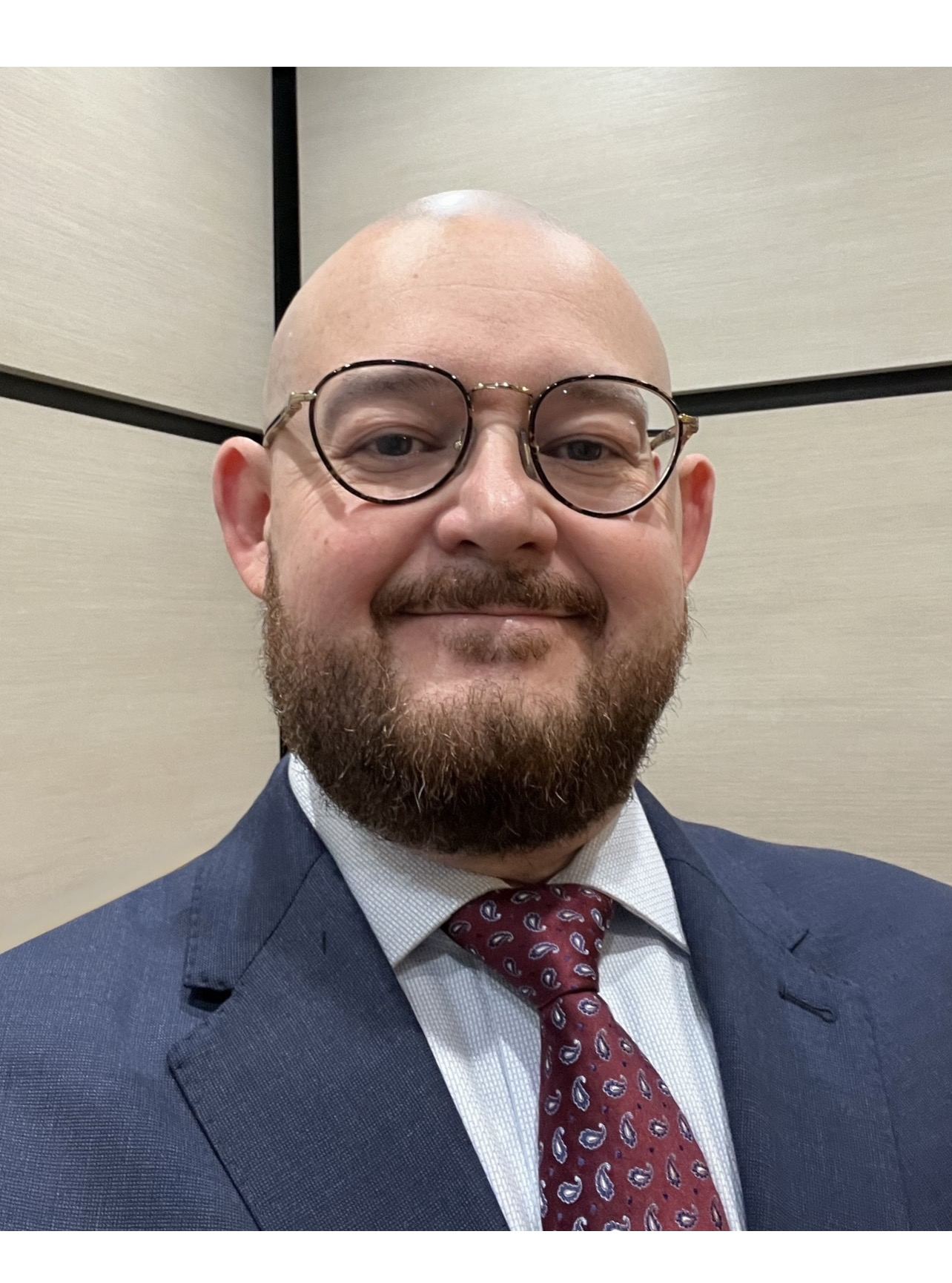
The practice is divorce-first: equitable distribution, marital settlement agreements, support, alimony, and the procedural detail of how those issues get resolved in Allegheny County. Custody, PFA, and related matters are handled when they arise alongside or independently of a divorce. Cases are accepted selectively, and once accepted, the attorney who answered your call is the attorney who handles the file from intake through decree.
The work is plain-spoken. Clients are told what the case supports rather than what they want to hear, and the reviews of the firm reflect a pattern of clients who, in retrospect, valued that quality more than reassurance would have served them.
Practice Approach
Knowledge. Eighteen-plus years exclusively in family law builds working command of the statute, the case law, the local rules, and the specific way Allegheny County applies them. Clients arrive with questions; the right answer is usually shorter and more specific than they expect.
Preparation. Results in family law matters are shaped before either side files a motion, through preparation that includes financial discovery prepared with the rigor of a hearing, asset valuations defensible under cross-examination, and statutory factors mapped to the specific record. Preparation of that kind makes settlement reliable when settlement is the right resolution, and makes trial defensible when it is not.
Trial readiness. Attorney Levine brings twenty-one years of total practice, eighteen-plus of them exclusively in the Allegheny County Family Division. Most matters resolve before trial because opposing counsel calculates the cost and outcome of going to trial against a fully prepared adversary and advises their client accordingly.
Pace. The valuation of the marital estate begins within hours of the signed retainer letter. The appraisal is often scheduled the same day we enter our appearance, and the next filings go in as soon as we are counsel of record. Progress is tracked and kept moving by design, for hardworking, demanding professionals who have no time for wasted effort or needless delay. That preparation serves a long contested matter and a fast resolution equally; the facts of each case decide which it will be. Every filing is made with the next three moves in view.
Know when to settle, know when to fight.
Examples of Matters Handled
The following are illustrative of the practice's range and depth. They are not promises of outcomes; every case is fact-specific and depends on its own circumstances and the applicable law. They are summarized in general terms, with details adjusted to preserve client confidentiality.
Hard-fought child support matter involving extensive discovery, multiple experts, and contested income calculations. Discovery included formal interrogatories, document requests, depositions, and expert engagements to establish the income picture. The matter was carried through the support hearing process to a result that reflected the actual income available for support rather than the income reported.
Successfully tried a contested custody relocation matter for a client moving to California with four children. The outcome required a full hearing before the judge, application of the relocation factors under 23 Pa.C.S. § 5337, and presentation of evidence supporting the move's good-faith basis and benefit to the children. Relocation was granted on the facts of that case.
Defended a client against an unfounded PFA petition; the petition was dismissed after a full evidentiary hearing on the facts. In a separate matter, represented a plaintiff in seeking protection; a final three-year PFA order was entered after a full hearing. The practice represents both sides of PFA proceedings, defense and plaintiff, with the same preparation discipline.
Achieved 50-50 shared physical custody for a parent whose engagement and capability had been understated by the opposing party. The case required documenting actual parenting involvement (school records, medical appointments, daily care) and presenting the § 5328 factors against the facts of the parent's relationship with the child. The client's goal was real parenting time, not a support adjustment, and the resulting schedule reflected that.
Support cases can move in either direction with proper preparation. In one matter, an above-guideline support award was secured for a dependent spouse following a contested support hearing, based on the specific income and need facts established at hearing. In another, a downward deviation under Pa.R.C.P. 1910.16-5 was obtained for a payor whose facts supported it. In a third, we prevailed against the dependent spouse's exception for APL, mitigating the award. Each result reflected the specific facts and the analysis applied to them.
In a 30-year marriage with multiple residences in different states, involving a dependent spouse with a less-favorable initial assets-skew, ED settlement was structured to provide a result more favorable than the raw assets analysis would have produced, reflecting the contributions and circumstances established under the § 3502 factors. Separately, in a 25-year high-asset marriage, alimony exposure and property division were mitigated for the higher-earning spouse through careful application of the same factors to that case's facts. The practice represents both sides of long-marriage cases with substantial assets.
"He is extremely knowledgeable about court process, precedents, and procedures, and prepares legal paperwork in a clear and concise fashion. By comparison, the lawyers of the other party seemed totally disorganized and confused about divorce law and proper court document preparation."
— James, divorce client
The breadth of matters handled also includes: equitable settlements achieved at trial-queue stage in cases involving expert appraisers, forensic accountants, and business valuation specialists for tiered executive compensation; a range of matters, some with a marital estate in the mid to high six figures and others in the seven to lower eight figures, resolved equitably for both sides where each was represented by counsel; and the wide range of routine and complex matters that constitute eighteen-plus years of exclusive Allegheny County family law practice.
Areas of Practice
The practice covers the full range of Allegheny County family law. Divorce work includes uncontested, contested, and high-asset matters: equitable distribution, marital settlement agreements, spousal support, APL, alimony, and complex support. Custody work covers legal and physical custody, primary and shared arrangements, modification, relocation, and grandparent custody. The firm also handles paternity, protection from abuse on both defense and plaintiff sides, mediation and collaborative law, and post-divorce planning including name changes.
Professional Recognition
Each badge links to the awarding organization.
Recognized year over year by Avvo, Three Best Rated, Expertise.com, the National Trial Lawyers, the National Association of Distinguished Counsel, the American Institute of Family Law Attorneys, and others. The complete year-by-year list is maintained on the Recognitions & Awards page.
Full Recognitions & Awards →Bar, Background, Pro Bono, Publication
Bar Admissions. Admitted to the Pennsylvania bar in 2005 and to the United States District Court for the Western District of Pennsylvania.
Earlier Experience. Civil litigation at two large regional law firms in Pittsburgh, a certified legal internship with the University of Pittsburgh School of Law Elder Law Clinic, a judicial externship with the Pennsylvania Superior Court, and an internship with the Massachusetts Commission Against Discrimination investigating housing and employment discrimination claims.
Pro Bono. More than fifteen years of pro bono representation, primarily through Neighborhood Legal Services assisting victims of abuse, and additionally through the Uptown Legal Clinic on a wide range of family law issues and the Greater Pittsburgh Arts Council.
Publication. Published case note on child support in Pennsylvania Family Lawyer, Volume 30, Issue 4.
Academic Background
Trial & Appellate Moot Court · JURIST (anchor/reporter) · Phi Alpha Delta Law Fraternity
UMass Mediation Team · 40-Hour Mediation Certification
How the Practice Came to Be
Scott Levine earned his J.D. from the University of Pittsburgh School of Law in 2004 and was admitted to the Pennsylvania bar the following year. The first years of practice were in civil litigation at two large regional firms in Pittsburgh, where the foundational disciplines of trial preparation, discovery, motion practice, and case management were learned in commercial cases before being carried over to family work.
Family law became the focus around 2007. Scott founded the divorce and family law practice at a mid-sized Pittsburgh firm before opening the Law Offices of Scott L. Levine, LLC, dedicated entirely to domestic relations matters in Allegheny County. Eighteen-plus years of exclusive Allegheny County family law practice followed. The firm has been independently recognized by Avvo, Three Best Rated, Expertise.com, the National Trial Lawyers, the National Association of Distinguished Counsel, the American Institute of Family Law Attorneys, and others, documented year by year on the Recognitions & Awards page.
In addition to traditional litigation, Scott is a certified mediator and a collaboratively trained attorney, a member of the International Academy of Collaborative Professionals (IACP) and Three Rivers Collaborative Divorce (formerly the Collaborative Law Association of Southwestern Pennsylvania, CLASP) since 2016. The alternative dispute resolution side of the practice exists for families who want to resolve their matter without litigation, and is offered as an option where the case fits.
"Many years ago, when I started my own firm, I sought not the perceived prestige, but doing right by the people sitting across from me at my conference table. As time has passed my passion for service and helping others has only grown. I liken it to all the enthusiasm of a new lawyer tempered with the deeply tested, hardened experience that's only gained from the tests of time. I don't take a lot of clients, but the ones I do accept get impeccable, unmatched attention, commitment and service. The results and reviews speak for themselves."
— Scott L. Levine, Esquire
The office left downtown in 2019 for the Strip District and then Bakery Square, and the practice changed with the address. The Bakery Square office page describes the office and the clients it serves today.
Professional Memberships
Allegheny County Bar Association
- Allegheny County Bar Association: Member, 2004–Present
- Family Law Section: Member, 2007–Present
- Alternative Dispute Resolution Committee: Member, 2018–Present
- Collaborative Law Committee: Member, 2018–Present
- Court Rules Committee: Member, 2018–Present
- Arts and Law Committee: Member, 2007–2015
- Elder Law Committee: Member, 2007–2015
- Young Lawyers Division: Member, 2007–2017
Pennsylvania Bar Association
- Pennsylvania Bar Association: Member, 2004–Present
- Family Law Section: Member, 2007–Present
- Collaborative Law Committee: Member, 2016–Present
National & Regional
- International Academy of Collaborative Professionals (IACP): Member, 2016–Present
- Three Rivers Collaborative Divorce (formerly CLASP): Member, 2016–Present
- American Society of Legal Advocates (ASLA): Member, 2013–Present
- Pennsylvania Trial Lawyers Association: Member, 2007–Present
Community and Civic Organizations
- Dallas Lodge #231
- Field Advocate, American Foundation for Suicide Prevention (AFSP), Western Pennsylvania Chapter
- MS Activist: National Multiple Sclerosis Society
How to Engage the Firm
The first call. There are four ways to begin: a free ten-minute call, a half-hour or full-hour Strategy Session, or a written request. Each lands directly with Attorney Levine. The free call sorts out where you stand and whether you need more. The session is where the work on your specific situation gets done. Sessions are requested through the contact form, and you hear back with a time. Begin the conversation here.
Who answers the phone. Calls during business hours are answered by Scott Levine. After hours, voicemail goes directly to the attorney. What callers receive is a real conversation with the attorney who will handle the matter, scheduled for when the work can be done well.
Office hours. Monday through Thursday, 8:30 AM to 5:00 PM. Friday, 8:30 AM to 3:30 PM. The Friday afternoon close is intentional: matters are not initiated by Friday-late calls when Monday morning will serve the caller's interests equally well or better. For retained clients in active litigation, evening, early-morning, and weekend availability is part of the engagement when the work requires it.
Phone-first since 2016, paperless since the early 2010s. Most of the work that defines a family law case happens with documents open on screen: reviewing the docket, pulling the assessment record, checking actual filings against summaries, walking through MALS line items, working through statutory factors, drafting and revising language. Phone and video make that work easier. By design, all consultations are conducted by phone or video chat. Office meetings at the Bakery Square location are reserved for retained clients on matters that require in-person work, so the mode of meeting follows the work.
Selective intake, deeper attention. Rather than aiming to be the largest, the practice aims to do the work well for the clients it accepts. The corollary is that not every caller becomes a client; some matters are not the right fit, and the call goes better when that is identified early.
Geographic scope. Court appearances are exclusively Allegheny County. For matters in surrounding counties (Westmoreland, Washington, Butler, Beaver, Armstrong, Fayette) the firm provides paid consultation, document review, and second-opinion services, but does not appear in court. Mediation is the one exception: mediation services are available statewide via video conference, with a mediated agreement filed by each party's own attorney in their home county. The narrowing is intentional; eighteen years in one jurisdiction produces familiarity that broader coverage would dilute.
Plain English explanations. Family law involves a lot of unfamiliar terminology: pendente lite, conciliation, equitable distribution, motions, exceptions, schedules, factors. No client is expected to know these terms at the outset. Things are explained in plain English to make sure clients are comfortable with the explanation. Questions are welcome at any point. The goal is for clients to be fully advised of what is happening in their case and what to expect at any conference, hearing, or conciliation, and never to feel unprepared heading into court.
"He won't paint a rosy picture of the potential outcome. He strives to achieve what is fair and attainable between both parties — no more, no less. He is also a voice of reason."
— James, divorce client
Begin the Conversation
Four ways to begin, and every one lands directly with Attorney Levine.